- English
- Español
- Português
- русский
- Français
- 日本語
- Deutsch
- tiếng Việt
- Italiano
- Nederlands
- ภาษาไทย
- Polski
- 한국어
- Svenska
- magyar
- Malay
- বাংলা ভাষার
- Dansk
- Suomi
- हिन्दी
- Pilipino
- Türkçe
- Gaeilge
- العربية
- Indonesia
- Norsk
- تمل
- český
- ελληνικά
- український
- Javanese
- فارسی
- தமிழ்
- తెలుగు
- नेपाली
- Burmese
- български
- ລາວ
- Latine
- Қазақша
- Euskal
- Azərbaycan
- Slovenský jazyk
- Македонски
- Lietuvos
- Eesti Keel
- Română
- Slovenski
- मराठी
- Srpski језик

How to Choose an Electric Pallet Jack for Your Warehouse?
Choosing the right Electric Pallet Jack requires more than comparing lifting capacity or battery specifications. Warehouse layout, load requirements, operating frequency, maneuverability, safety, and after-sales support all affect equipment performance and long-term operating costs. This guide explains the key factors buyers should evaluate and how HUGO's lifting equipment experience can support different material handling applications.
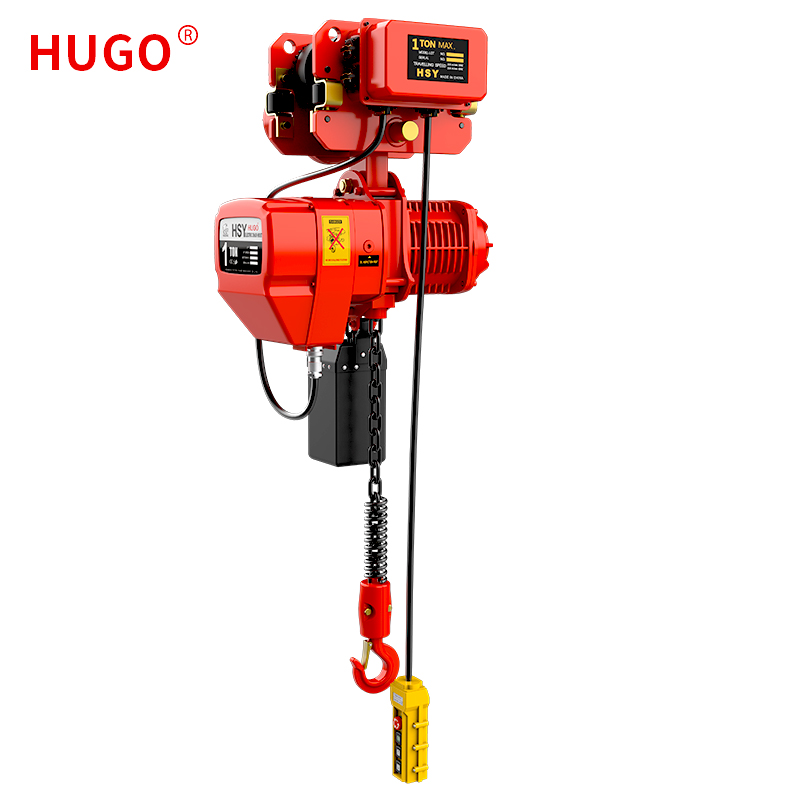
Table of Contents
- 1. Start With Your Warehouse Requirements
- 2. Check Load Capacity and Fork Dimensions
- 3. Consider Battery Type and Operating Time
- 4. Evaluate Maneuverability and Operator Control
- 5. Match the Equipment to the Working Environment
- 6. Consider Product Quality and Supplier Support
- 7. Key Selection Factors at a Glance
- 8. Frequently Asked Questions
Start With Your Warehouse Requirements
The first step is to understand how the equipment will actually be used. A small warehouse handling light loads has different requirements from a busy distribution center moving pallets throughout the day.
Before making a purchase, consider the type of goods, average pallet weight, daily operating hours, transportation distance, aisle width, floor conditions, and available charging facilities. These factors help determine whether a compact model, higher-capacity model, or more specialized material handling solution is appropriate.
For businesses that operate warehouses, workshops, supermarkets, or production facilities, selecting equipment based on real working conditions can improve handling efficiency while reducing unnecessary equipment costs.
Check Load Capacity and Fork Dimensions
Load capacity is one of the most important specifications to evaluate. The rated capacity should comfortably cover the normal working load rather than only the heaviest pallet occasionally handled.
Fork length and width also need to match the pallets used in your operation. Incorrect fork dimensions can affect load stability and make pallet entry or removal more difficult.
When comparing models, buyers should review the rated load capacity together with the center of load, fork dimensions, lifting height, and overall equipment dimensions. Looking at these specifications as a group provides a more realistic understanding of whether a machine is suitable for the application.
Consider Battery Type and Operating Time
Battery performance directly affects the productivity of battery-powered material handling equipment. For operations with frequent pallet movement, buyers should consider operating time, charging requirements, battery maintenance, and the availability of charging facilities.
Battery-powered equipment can help reduce manual handling effort and is particularly useful where goods need to be transported repeatedly over short or medium distances. The right battery configuration should be selected according to operating frequency rather than simply choosing the largest available capacity.
It is also important to consider charging cycles and daily workflow. A warehouse that operates for extended periods may benefit from a configuration that supports efficient charging and minimizes interruptions.
Evaluate Maneuverability and Operator Control
Warehouse space is often limited, so maneuverability can be just as important as lifting capacity. Compact dimensions, responsive steering, and centralized controls can make pallet transportation easier in narrow working areas.
The operating controls should be intuitive and easy for trained operators to use. A centralized joystick can help control travel and lifting functions efficiently, while standing-driving configurations can provide practical visibility and convenient operation in applications involving frequent loading and unloading.
Low noise and reduced emissions can also be valuable in indoor environments such as supermarkets, workshops, food processing facilities, textile operations, and printing facilities.
Match the Equipment to the Working Environment
Different warehouses place different demands on material handling equipment. Before purchasing, evaluate the floor surface, available operating space, temperature, working hours, load type, and transportation distance.
For example, compact equipment may be more suitable for areas with narrow aisles and frequent turning, while higher-capacity solutions may be necessary for heavier industrial loads.
HUGO manufactures a range of lifting and material handling equipment for industrial and commercial applications. Its product portfolio includes electric hoists, electric stackers, pallet jacks, lift tables, manual stackers, and other lifting solutions, allowing customers to consider different equipment options according to their handling requirements.
Consider Product Quality and Supplier Support
Equipment selection should not be based on specifications and price alone. Manufacturing capability, quality control, technical support, spare parts availability, and after-sales service can significantly influence the total ownership experience.
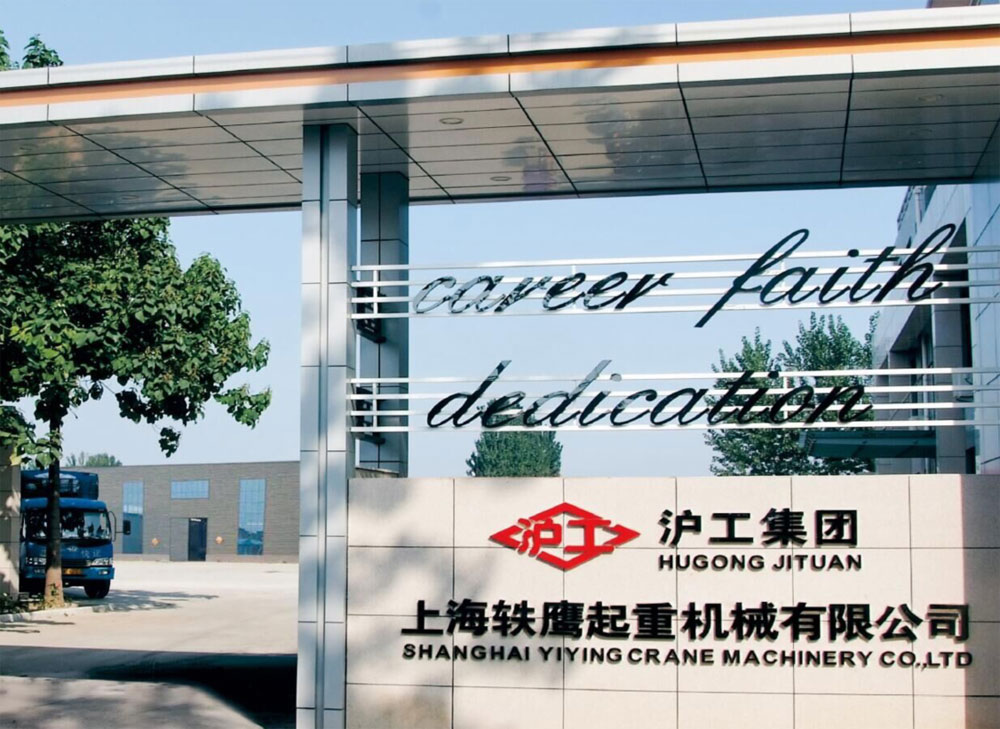
Shanghai Yiying Hoisting Machinery Co., Ltd., operating under the Yiying and HUGO brands, has production bases in Baoding, Huai'an, and Chongqing. Its factories include dedicated workshops for pallet trucks, chains, manual and electric hoists, and other lifting equipment.
HUGO also emphasizes product testing, production management, technical development, and customer service. For international buyers, these capabilities can be important when evaluating a long-term equipment supplier rather than simply purchasing a standalone machine.
For customers evaluating a broader lifting solution, the Pallet Jack product range can be reviewed alongside other material handling equipment to identify the most suitable configuration.
Key Selection Factors at a Glance
| Selection Factor | What to Evaluate | Why It Matters |
|---|---|---|
| Load Capacity | Rated capacity and load center | Ensures the equipment can safely handle the intended loads |
| Fork Dimensions | Fork length, width, and pallet compatibility | Improves load stability and pallet handling efficiency |
| Battery | Capacity, operating time, charging requirements | Helps reduce downtime during daily operations |
| Maneuverability | Turning radius, overall dimensions, steering control | Important for narrow aisles and confined warehouse areas |
| Operating Environment | Floor conditions, indoor use, temperature, working frequency | Ensures the equipment matches actual working conditions |
| Supplier Support | Quality control, technical support, spare parts, after-sales service | Supports reliable long-term operation and maintenance |
Frequently Asked Questions
What should I consider when buying an Electric Pallet Jack?
Start with load capacity, pallet dimensions, battery requirements, operating environment, maneuverability, daily usage frequency, and supplier support. The best choice should match the actual workflow rather than simply having the highest specifications.
Are battery-powered pallet handling machines suitable for indoor warehouses?
Yes. Battery-powered equipment can be suitable for many indoor material handling applications, particularly where low noise, compact dimensions, and reduced local emissions are important.
How do I choose the right load capacity?
Determine the typical and maximum pallet weights handled in your facility, then select a suitable rated capacity with an appropriate safety margin. Load center and pallet dimensions should also be considered.
Why is maneuverability important in warehouse operations?
Warehouses often have limited aisle space and high traffic density. Compact dimensions, responsive steering, and convenient controls can make pallet movement more efficient and easier for trained operators.
What makes HUGO suitable for material handling equipment sourcing?
HUGO is supported by Shanghai Yiying Hoisting Machinery Co., Ltd., a manufacturer with multiple production bases and dedicated workshops for lifting and material handling equipment. The company combines manufacturing capabilities with product testing, technical development, and after-sales service for customers in different markets.
Conclusion
Choosing the right equipment starts with understanding the warehouse's actual handling requirements. Load capacity, fork dimensions, battery performance, maneuverability, operating environment, and supplier support should all be evaluated before making a purchasing decision.
For warehouses, workshops, supermarkets, and other material handling applications, HUGO provides a range of lifting equipment designed for different operational needs. By matching equipment specifications with the real workflow, buyers can improve handling efficiency, operator convenience, and long-term equipment value.