
- English
- Español
- Português
- русский
- Français
- 日本語
- Deutsch
- tiếng Việt
- Italiano
- Nederlands
- ภาษาไทย
- Polski
- 한국어
- Svenska
- magyar
- Malay
- বাংলা ভাষার
- Dansk
- Suomi
- हिन्दी
- Pilipino
- Türkçe
- Gaeilge
- العربية
- Indonesia
- Norsk
- تمل
- český
- ελληνικά
- український
- Javanese
- فارسی
- தமிழ்
- తెలుగు
- नेपाली
- Burmese
- български
- ລາວ
- Latine
- Қазақша
- Euskal
- Azərbaycan
- Slovenský jazyk
- Македонски
- Lietuvos
- Eesti Keel
- Română
- Slovenski
- मराठी
- Srpski језик

Which Electric Hoist Fits Your Lifting Job Best?
Article Summary: Choosing an Electric Hoist is not only about lifting capacity. Buyers often worry about safety, installation space, duty cycle, power supply, lifting height, speed, maintenance cost, and whether the hoist can work reliably in a warehouse, workshop, construction site, or production line. This guide explains how to compare different Electric Hoist types, what specifications matter most, and how to avoid common purchasing mistakes. It also introduces practical selection ideas for buyers who need dependable lifting equipment from SHANGHAI YIYING CRANE MACHINERY CO.,LTD.
Table of Contents
- 1. Why Does the Right Electric Hoist Matter So Much?
- 2. What Should You Know Before Comparing Electric Hoist Models?
- 3. Which Electric Hoist Type Matches Your Working Site?
- 4. What Specifications Should Buyers Check Carefully?
- 5. How Can Safety Features Reduce Real Operating Risks?
- 6. Why Do Many Buyers Look Beyond the Lowest Price?
- 7. What Common Mistakes Should You Avoid?
- 8. How Can You Build a Better Purchasing Checklist?
- 9. FAQ About Electric Hoist Selection
- 10. Conclusion
Why Does the Right Electric Hoist Matter So Much?
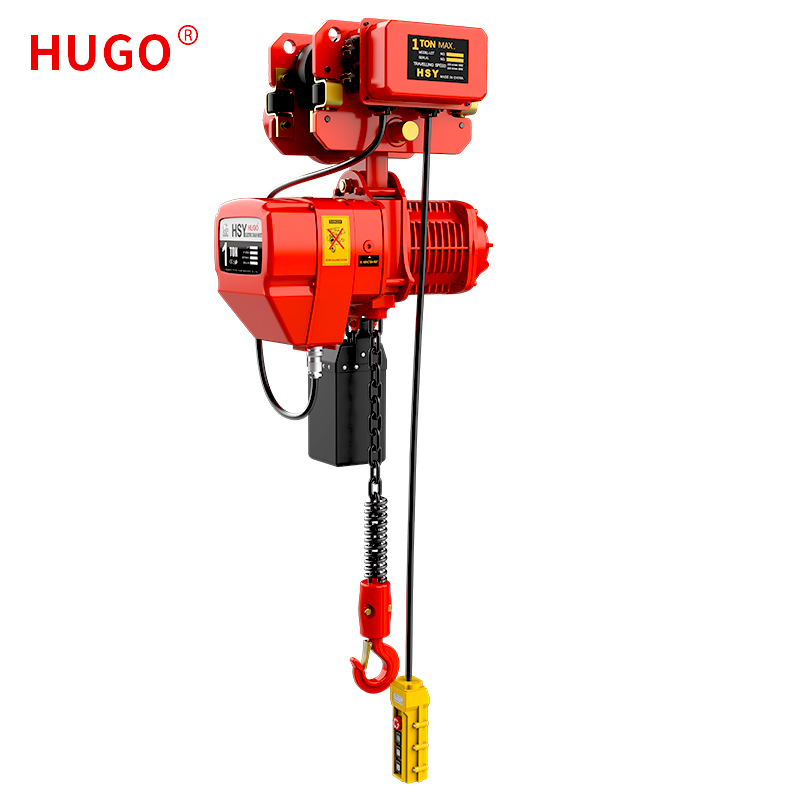
An Electric Hoist looks like a simple lifting machine from the outside, but in daily work it often becomes one of the most important pieces of equipment on site. It moves heavy goods, supports assembly work, reduces manual labor, improves workflow, and helps operators handle repeated lifting tasks with better control. When the hoist is correctly selected, work becomes faster and safer. When the wrong model is chosen, the problems appear quickly: unstable lifting, frequent downtime, overloaded motors, chain or wire rope wear, slow handling speed, and unexpected maintenance costs.
Many buyers begin with one question: “How many tons can it lift?” That is important, but it is not enough. A 1 ton Electric Hoist used occasionally in a repair shop faces very different demands from a 1 ton Electric Hoist used every day on a production line. The same rated capacity can perform very differently depending on motor quality, duty cycle, lifting speed, chain grade, braking system, control voltage, installation method, and environmental conditions.
This is why professional selection should start from the job itself, not from the price list. The load shape, lifting frequency, lifting height, working space, power supply, operator habits, and safety requirements all influence the final choice. SHANGHAI YIYING CRANE MACHINERY CO.,LTD. serves buyers who need practical lifting solutions rather than one-size-fits-all equipment, and that mindset is especially important for Electric Hoist purchasing.
What Should You Know Before Comparing Electric Hoist Models?
Before comparing models, it helps to define the real working conditions. A buyer who knows the application clearly can choose faster, negotiate more accurately, and avoid paying for unnecessary features or, worse, buying a machine that is too weak for the job.
Start by confirming the maximum load weight. The rated capacity of the Electric Hoist should not be chosen too close to the heaviest load. In real work, load weight may vary, operators may lift imperfectly balanced objects, and occasional impact during lifting may create extra stress. A safer selection leaves a reasonable margin.
Next, check the lifting height. A hoist used in a low workshop may only need a short chain or wire rope, while a warehouse, maintenance pit, or multi-level installation may require much more lifting height. Choosing the wrong height can make the equipment inconvenient or unusable.
The third factor is lifting frequency. If the hoist is used only a few times a day, a light-duty option may be enough. If it lifts repeatedly for long shifts, the motor, gearbox, brake, and cooling performance become much more important. Frequent lifting demands a stronger structure and a more suitable duty rating.
Buyers should also confirm whether the hoist will be fixed in one place or moved along a beam. A fixed Electric Hoist works well for vertical lifting at a single point, while a hoist with a trolley is better when loads need to move horizontally. For factories and warehouses, the trolley option often improves efficiency because operators can lift and transfer goods in one continuous process.
- Confirm the real maximum load, not just the average load.
- Measure the required lifting height before ordering.
- Estimate daily lifting frequency and working hours.
- Check whether fixed lifting or horizontal travel is required.
- Confirm voltage, phase, plug type, and local electrical conditions.
- Consider dust, humidity, outdoor exposure, temperature, and site cleanliness.
Which Electric Hoist Type Matches Your Working Site?
Different Electric Hoist designs serve different lifting situations. The right type depends on the load, site layout, speed requirement, and working environment. For general industrial use, the most common choices include electric chain hoists, electric wire rope hoists, mini electric hoists, and electric winch hoists.
An electric chain hoist is often chosen for workshops, warehouses, assembly lines, and maintenance areas. It is compact, reliable, and suitable for precise vertical lifting. The chain structure is strong and easier to inspect visually. For many buyers, an electric chain hoist offers a good balance between cost, durability, and ease of use.
An electric wire rope hoist is commonly used for higher lifting heights, heavier loads, or crane systems. It is suitable for single girder cranes, gantry cranes, bridge cranes, and other lifting systems where longer lifting distance and smooth travel are needed. Wire rope hoists are often preferred in larger industrial operations.
A mini Electric Hoist is useful for lighter loads, small workshops, home garages, repair rooms, and compact spaces. It is easy to install and convenient for occasional lifting tasks. However, buyers should not treat it as a replacement for heavy industrial hoists. Its advantage is convenience, not heavy-duty continuous performance.
An electric winch hoist is often used when pulling or lifting functions are required in specific working scenarios. It may be selected for construction, equipment positioning, or material handling tasks where the installation method and direction of force are different from ordinary vertical lifting.
| Electric Hoist Type | Best For | Main Advantages | Buyer Notes |
|---|---|---|---|
| Electric Chain Hoist | Workshops, warehouses, production lines, repair areas | Compact size, strong chain, stable lifting, easy inspection | Good choice for frequent medium-duty lifting |
| Electric Wire Rope Hoist | Crane systems, higher lifting heights, heavier industrial loads | Smooth operation, suitable for long lifting distance, crane compatibility | Installation and maintenance requirements should be checked carefully |
| Mini Electric Hoist | Small shops, garages, light goods, occasional lifting | Lightweight, easy to install, convenient for limited space | Not ideal for continuous heavy-duty industrial use |
| Electric Winch Hoist | Material pulling, construction use, special lifting arrangements | Flexible application, useful for specific site needs | Check pulling direction, mounting strength, and safety limits |
What Specifications Should Buyers Check Carefully?
Specification sheets can look similar at first glance, but the details decide whether an Electric Hoist will perform well after installation. Capacity is only the beginning. Buyers should look at motor type, lifting speed, chain or wire rope material, brake system, control method, protection design, and certification.
The motor is a core part of the machine. A high-quality motor provides better heat dissipation, stronger output, and more stable performance during repeated lifting. If the motor heats too quickly, the operator may need to stop frequently, which slows down work and shortens the service life of the hoist.
The lifting medium also matters. A durable chain, such as a high-strength alloy chain, helps reduce breakage risk and improves safety. For wire rope hoists, rope structure and drum design affect lifting stability and wear. Buyers should not ignore these parts just because they are not as visible as the motor.
Control voltage is another practical safety detail. Low-voltage control can reduce electrical risk for operators, especially in busy working environments. Remote control options can also help operators stand away from the load, improving visibility and safety.
Limit devices are especially useful because they help prevent over-lifting or over-lowering. A hoist without proper limit protection may allow the hook or load to move beyond a safe range, increasing the risk of damage or accident. Emergency stop devices are also important, because operators need a fast way to stop operation when something unexpected happens.
| Specification | Why It Matters | What Buyers Should Ask |
|---|---|---|
| Rated Capacity | Determines the safe maximum lifting load | Is there enough safety margin for my heaviest load? |
| Lifting Height | Controls how far the load can move vertically | Does the chain or wire rope length match my site? |
| Lifting Speed | Affects productivity and handling control | Do I need faster lifting or more precise movement? |
| Motor Performance | Influences power, heat dissipation, and service life | Can the motor handle my working frequency? |
| Brake System | Helps hold the load safely during operation | Is the braking design suitable for repeated lifting? |
| Control Method | Improves operator convenience and safety distance | Do I need pendant control, remote control, or both? |
| Limit Device | Reduces risk from over-travel | Does the hoist include upper and lower limit protection? |
| Certification | Supports compliance and buyer confidence | Can the supplier provide relevant test or certification documents? |
How Can Safety Features Reduce Real Operating Risks?
Safety is not a decoration on an Electric Hoist. It is part of the machine’s daily value. Lifting work always involves risk because the load is suspended above the floor, near operators, tools, equipment, or finished goods. A small failure can cause a serious result, so buyers should treat safety features as essential rather than optional.
An emergency stop device allows the operator to stop lifting quickly when a load swings, an obstacle appears, or a person enters the working area. Limit protection helps prevent excessive hook travel. A reliable brake system keeps the load from slipping when the motor stops. Strong chain or wire rope construction reduces failure risk under normal use. A durable shell protects internal parts and supports heat dissipation.
Operator training is equally important. Even the best Electric Hoist can be misused if workers overload it, pull loads at an angle, stand under suspended goods, or ignore abnormal noise. Good suppliers should remind buyers how to use, inspect, and maintain the equipment correctly.
- Never lift loads above the rated capacity.
- Do not stand under a suspended load.
- Check hooks, chains, wire ropes, brakes, and controls before use.
- Stop operation if abnormal noise, vibration, smell, or heat appears.
- Keep the lifting path clear before raising or lowering the load.
- Use trained operators for industrial lifting work.
Why Do Many Buyers Look Beyond the Lowest Price?
Price matters, especially for distributors, factories, contractors, and procurement teams managing budgets. However, choosing an Electric Hoist only by the lowest quotation can create higher costs later. The cheaper option may have weaker materials, shorter service life, poor braking performance, limited spare parts support, or unclear after-sales responsibility.
A reliable Electric Hoist should reduce labor cost, improve handling speed, protect goods, and keep work moving. If the hoist fails often, the buyer pays not only for repair, but also for downtime, delayed delivery, operator frustration, and possible safety risks. For production facilities, downtime can be far more expensive than the price difference between two hoist models.
This is why many experienced buyers compare total value instead of only unit price. They ask whether the supplier has product knowledge, whether customization is available, whether documents can be provided, whether packaging is strong enough for export, and whether spare parts or technical support can be arranged when needed.
SHANGHAI YIYING CRANE MACHINERY CO.,LTD. is suitable for buyers who want to discuss practical lifting requirements instead of making a blind purchase. A good purchasing conversation should include capacity, working environment, installation method, order quantity, delivery expectations, and long-term use conditions.
What Common Mistakes Should You Avoid?
Many Electric Hoist problems begin before the machine is delivered. They come from unclear selection, incomplete communication, or unrealistic expectations. Avoiding these mistakes can save money and reduce future trouble.
- Choosing capacity too close to the maximum load: A small margin may not be enough for real operating conditions.
- Ignoring duty cycle: A hoist used continuously needs stronger performance than one used occasionally.
- Forgetting lifting height: Too short means the load cannot reach the required position; too long may create unnecessary cost and handling issues.
- Overlooking power supply: Voltage and phase must match the site, or installation becomes complicated.
- Buying without checking safety features: Emergency stop, limit devices, braking reliability, and low-voltage control can make daily use safer.
- Using a mini hoist for heavy industrial work: Compact equipment has limits and should be selected honestly.
- Not asking about spare parts: Maintenance becomes difficult when parts are unavailable or poorly supported.
- Ignoring the installation structure: The beam, frame, or mounting point must be strong enough for the hoist and load.
A careful buyer does not need to overcomplicate the process. The key is to describe the job clearly and ask the supplier direct questions. If the supplier cannot explain which Electric Hoist fits the application, that is already a warning sign.
How Can You Build a Better Purchasing Checklist?
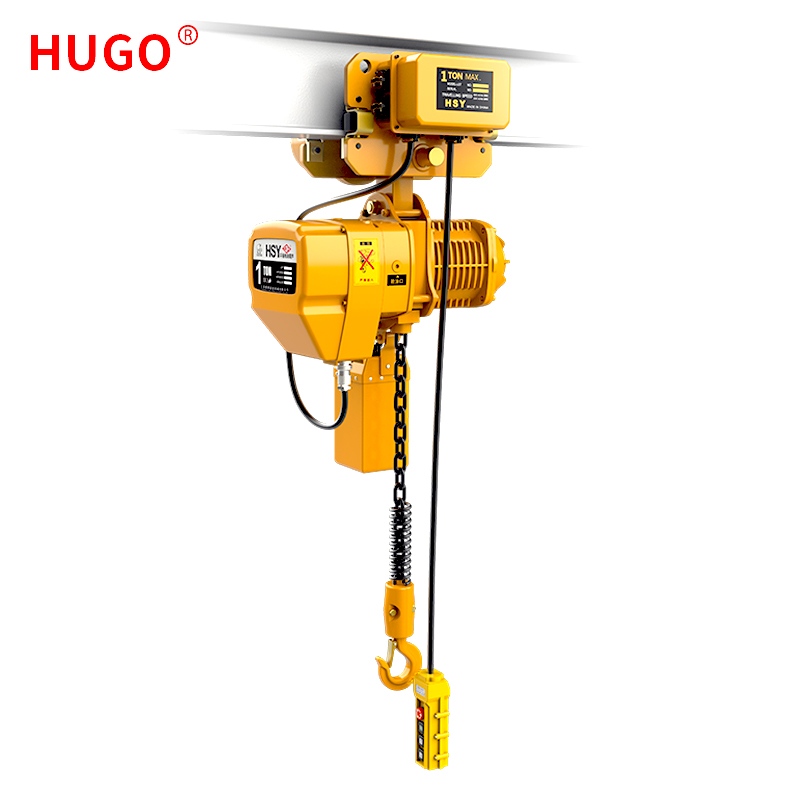
A purchasing checklist helps both buyers and suppliers communicate clearly. It reduces back-and-forth messages and makes the quotation more accurate. Before sending an inquiry, prepare the basic information below.
| Checklist Item | Information to Prepare | Reason |
|---|---|---|
| Load Weight | Minimum, average, and maximum load | Helps select safe rated capacity |
| Lifting Height | Required vertical travel distance | Prevents wrong chain or wire rope length |
| Working Frequency | Times per hour or hours per day | Helps match motor and duty requirement |
| Installation Method | Fixed point, trolley, beam, crane, or frame | Determines suitable structure and accessories |
| Power Supply | Voltage, phase, frequency, plug requirement | Avoids electrical mismatch |
| Working Environment | Indoor, outdoor, dusty, humid, high temperature, corrosive area | Influences protection and material choice |
| Control Preference | Pendant control, remote control, low-voltage control | Improves safety and convenience |
| Order Plan | Sample order, wholesale order, project order, customized demand | Helps supplier arrange pricing and delivery |
For distributors, the checklist should also include market preference. Some customers prefer compact Electric Hoist models for small workshops, while others need heavy-duty lifting equipment for industrial plants. Understanding the final user makes product selection more accurate and improves resale confidence.
For project buyers, documentation can be just as important as the machine itself. Ask for product specifications, packing details, certification information, and maintenance guidance when needed. Clear documents make internal approval, customs clearance, installation, and future maintenance easier.
FAQ About Electric Hoist Selection
What is an Electric Hoist used for?
An Electric Hoist is used to lift and lower heavy loads with electric power. It is widely used in warehouses, workshops, factories, construction sites, repair areas, logistics centers, and crane systems. Depending on the model, it can lift goods vertically or work with a trolley for horizontal movement along a beam.
Which Electric Hoist is better, chain type or wire rope type?
It depends on the application. An electric chain hoist is often better for compact spaces, workshops, and repeated medium-duty lifting. An electric wire rope hoist is often better for higher lifting heights, heavier loads, and crane systems. Buyers should compare lifting height, capacity, working frequency, and installation method before deciding.
How much capacity should I choose for an Electric Hoist?
Choose a capacity that is safely above your maximum load. Do not select a hoist that barely matches the heaviest object. Real operating conditions may include load variation, slight impact, uneven weight distribution, or frequent use. A reasonable safety margin helps protect the machine and operators.
Can an Electric Hoist be customized?
Many Electric Hoist requirements can be customized or configured, such as lifting height, voltage, control method, trolley option, and packaging. The exact customization depends on the model and order quantity. Buyers should provide working conditions clearly when requesting a quotation.
Is remote control necessary for an Electric Hoist?
Remote control is not always necessary, but it can improve convenience and safety in many applications. It allows the operator to keep a better distance from the load, choose a better viewing position, and avoid standing too close to the lifting area. For busy workshops or large loads, remote control can be very useful.
How can I maintain an Electric Hoist properly?
Regular maintenance should include checking the chain or wire rope, hook, brake, control buttons, limit device, fasteners, motor condition, and abnormal noise. Operators should keep the equipment clean, avoid overload, and stop use immediately if unusual vibration, heat, smell, or slipping appears.
Why should I buy from a professional Electric Hoist supplier?
A professional supplier can help confirm the right model, provide clearer specifications, support customization, arrange export packaging, and offer practical guidance for use and maintenance. This reduces purchasing risk and makes long-term operation more reliable.
Conclusion
The best Electric Hoist is not simply the cheapest one, the biggest one, or the fastest one. The best choice is the model that fits the real lifting task safely, efficiently, and economically. Buyers should look at capacity, lifting height, motor performance, duty requirement, control method, safety features, installation structure, and supplier support before making a decision.
For workshops, warehouses, production lines, construction projects, and lifting equipment distributors, a well-selected Electric Hoist can improve productivity, reduce manual handling, protect goods, and make daily work more predictable. A poorly selected hoist, however, can bring downtime, repair costs, safety concerns, and repeated replacement problems.
SHANGHAI YIYING CRANE MACHINERY CO.,LTD. provides Electric Hoist solutions for buyers who need practical lifting equipment, clear communication, and reliable product support. Whether you are comparing electric chain hoists, electric wire rope hoists, mini electric hoists, or customized lifting options, the right discussion starts with your real working conditions.
Ready to Choose a Better Electric Hoist?
If you are planning a new purchase, replacing old lifting equipment, or preparing a wholesale order, share your load weight, lifting height, voltage, working frequency, and installation method with us. Our team can help you compare suitable Electric Hoist options and recommend a practical solution for your site. For specifications, pricing, customization details, or project support, contact us today and let us help you lift with more confidence.
Previous:Durable electric scissor lift truck