
- English
- Español
- Português
- русский
- Français
- 日本語
- Deutsch
- tiếng Việt
- Italiano
- Nederlands
- ภาษาไทย
- Polski
- 한국어
- Svenska
- magyar
- Malay
- বাংলা ভাষার
- Dansk
- Suomi
- हिन्दी
- Pilipino
- Türkçe
- Gaeilge
- العربية
- Indonesia
- Norsk
- تمل
- český
- ελληνικά
- український
- Javanese
- فارسی
- தமிழ்
- తెలుగు
- नेपाली
- Burmese
- български
- ລາວ
- Latine
- Қазақша
- Euskal
- Azərbaycan
- Slovenský jazyk
- Македонски
- Lietuvos
- Eesti Keel
- Română
- Slovenski
- मराठी
- Srpski језик

Why Is a Full Electric Standing Type Forklift the Smartest Choice for Modern Warehouse Operations
As warehouses, logistics centers, and manufacturing facilities continue to pursue higher efficiency and lower operating costs, the Full Electric Standing Type Forklift has become one of the most valuable material-handling solutions available today. Trusted manufacturers such as HUGO are helping businesses improve productivity through advanced electric forklift technology designed for narrow aisles, indoor operations, and intensive daily use.
This article explores the key features, benefits, applications, performance advantages, and buying considerations of a Full Electric Standing Type Forklift. Whether you manage a warehouse, distribution center, retail storage facility, or manufacturing plant, understanding this equipment can help you make a more informed investment decision.
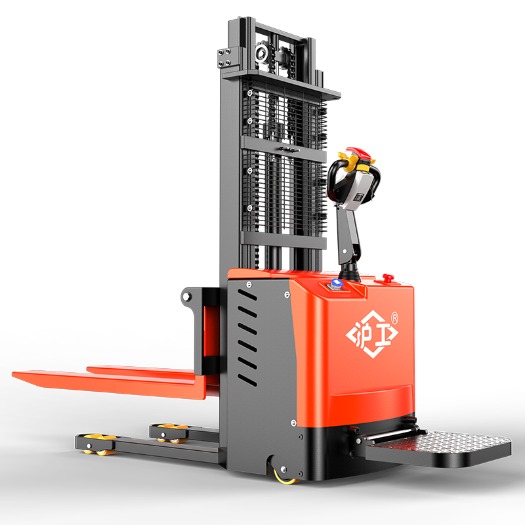
Table of Contents
- What Is a Full Electric Standing Type Forklift?
- Major Advantages of Full Electric Standing Type Forklifts
- Electric Standing Forklift vs Traditional Forklift
- Common Industry Applications
- Key Features to Look For
- How Electric Forklifts Improve Warehouse Efficiency
- Maintenance and Operating Tips
- How to Choose the Right Model
- Frequently Asked Questions
- Conclusion
What Is a Full Electric Standing Type Forklift?
A Full Electric Standing Type Forklift is a battery-powered industrial vehicle designed for lifting, transporting, and stacking palletized goods while allowing the operator to work in a standing position. Unlike traditional internal combustion forklifts, this equipment relies entirely on electric power, making it environmentally friendly, energy-efficient, and suitable for indoor operations.
The standing operator design improves visibility and allows quicker entry and exit, making it especially useful in busy warehouse environments where frequent loading and unloading tasks occur throughout the day.
Major Advantages of Full Electric Standing Type Forklifts
Businesses worldwide are increasingly replacing conventional forklifts with electric alternatives because of several operational advantages.
- Zero exhaust emissions
- Lower energy consumption
- Reduced maintenance costs
- Quiet operation
- Improved operator comfort
- Higher maneuverability in narrow aisles
- Enhanced workplace safety
- Lower total cost of ownership
| Advantage | Business Impact |
|---|---|
| Electric Power | Reduces fuel expenses and emissions |
| Standing Design | Faster operator movement and productivity |
| Compact Structure | Works efficiently in tight spaces |
| Low Noise | Creates a more comfortable workplace |
| Lower Maintenance | Reduces service downtime |
Electric Standing Forklift vs Traditional Forklift
Understanding the differences between electric standing forklifts and conventional forklifts can help buyers make informed decisions.
| Feature | Full Electric Standing Type Forklift | Traditional Diesel Forklift |
|---|---|---|
| Power Source | Battery | Diesel Fuel |
| Emissions | Zero | High |
| Noise Level | Low | High |
| Indoor Use | Excellent | Limited |
| Maintenance Cost | Lower | Higher |
| Energy Efficiency | Excellent | Moderate |
For modern warehouses focused on sustainability and efficiency, electric forklifts often provide superior long-term value.
Common Industry Applications
The versatility of Full Electric Standing Type Forklifts allows them to serve numerous industries.
Warehousing and Distribution
Ideal for pallet handling, inventory management, and order fulfillment operations.
Retail Storage Centers
Compact dimensions allow efficient movement through confined storage areas.
Manufacturing Facilities
Supports continuous transportation of raw materials and finished products.
E-commerce Logistics
Handles high-volume product movement while maximizing storage density.
Cold Storage Warehouses
Electric systems perform effectively in temperature-controlled environments.
Key Features to Look For
When purchasing a Full Electric Standing Type Forklift, evaluating technical specifications is critical.
- Load capacity
- Maximum lifting height
- Battery type and capacity
- Charging efficiency
- Turning radius
- Safety systems
- Operator visibility
- Control responsiveness
- Fork dimensions
- Motor performance
| Feature | Why It Matters |
|---|---|
| Load Capacity | Determines maximum material weight |
| Lifting Height | Supports vertical storage optimization |
| Battery Capacity | Influences operating duration |
| Safety Sensors | Protects operators and goods |
| Turning Radius | Improves maneuverability |
How Electric Forklifts Improve Warehouse Efficiency
Warehouse productivity depends heavily on material-handling equipment. Full Electric Standing Type Forklifts contribute significantly to operational efficiency.
Faster Material Flow
Quick acceleration and responsive controls reduce transport times between storage locations.
Higher Space Utilization
Compact dimensions allow narrower aisles, increasing storage capacity.
Reduced Downtime
Electric systems contain fewer mechanical components than combustion-powered alternatives, resulting in less maintenance.
Improved Worker Productivity
The standing position enables operators to enter and exit frequently without fatigue.
Enhanced Safety
Modern braking systems, visibility enhancements, and stability controls help reduce accidents.
Maintenance and Operating Tips
Proper maintenance extends equipment lifespan and ensures consistent performance.
- Inspect batteries daily.
- Maintain proper charging schedules.
- Check tire conditions regularly.
- Inspect hydraulic systems.
- Clean forklift surfaces frequently.
- Train operators thoroughly.
- Monitor warning indicators.
- Schedule preventive maintenance.
Routine inspections help identify potential issues before they lead to costly downtime.
How to Choose the Right Model
Selecting the correct forklift depends on your operational requirements.
Evaluate Load Requirements
Choose a model capable of safely handling your maximum expected loads.
Consider Warehouse Layout
Narrow aisle operations require compact forklifts with excellent maneuverability.
Assess Working Hours
Battery capacity should support daily operational demands.
Review Safety Features
Look for emergency stop functions, anti-roll systems, and stability controls.
Partner with a Reliable Supplier
Working with established manufacturers like HUGO helps ensure product quality, technical support, and long-term service reliability.
Frequently Asked Questions
1. What is the main advantage of a Full Electric Standing Type Forklift?
Its combination of zero emissions, energy efficiency, compact design, and high productivity makes it ideal for modern warehouses.
2. Are electric standing forklifts suitable for indoor use?
Yes. Because they produce no exhaust emissions and operate quietly, they are highly suitable for indoor environments.
3. How long does a forklift battery typically last?
Depending on usage and battery type, a full charge can support several hours of continuous operation.
4. Do electric forklifts require less maintenance?
Yes. Electric forklifts generally have fewer moving parts and require less maintenance than diesel-powered models.
5. What industries commonly use standing electric forklifts?
Warehousing, logistics, retail distribution, manufacturing, e-commerce, and cold storage facilities frequently use them.
6. Why choose HUGO electric forklifts?
HUGO offers reliable equipment, advanced engineering, efficient performance, and professional support designed to meet diverse material-handling requirements.
Conclusion
The Full Electric Standing Type Forklift has become an essential tool for businesses seeking greater efficiency, sustainability, and operational flexibility. Its compact design, low operating costs, environmental benefits, and excellent maneuverability make it a preferred solution for modern warehouses and logistics centers.
If you are looking for a dependable material-handling solution that can improve productivity while reducing long-term operating expenses, now is the perfect time to explore professional electric forklift options from HUGO. Contact us today to discuss your application requirements, receive expert recommendations, and discover how the right Full Electric Standing Type Forklift can help your business achieve greater operational success and warehouse efficiency.